
Fire Door Regulations Explained: What Building Owners Must Know in 2026
POST AUTHOR | POST PUBLISH DATE
Fire door safety in England has never been under more scrutiny than it is entering 2026. With new legal duties introduced throughout 2023–2025, rising enforcement activity, and widespread inspection failures across commercial and residential buildings, responsible persons can no longer rely on outdated assumptions or inherited building standards.
Yet many building owners still tell us the same thing during surveys:
“I don’t actually know what I’m legally required to do, the rules feel confusing.”
You’re not alone. The UK’s fire door legislation has evolved quickly, and multiple organisations now influence what must be done. This guide explains, clearly and practically,
what every owner, landlord, and facilities manager must know in 2026 to stay compliant and keep people safe.
1. What Fire Door Regulations Require in 2026 (Plain English)
From January 2026, every commercial, educational, or multi-occupancy residential building in England must meet a set of legal requirements centred around:
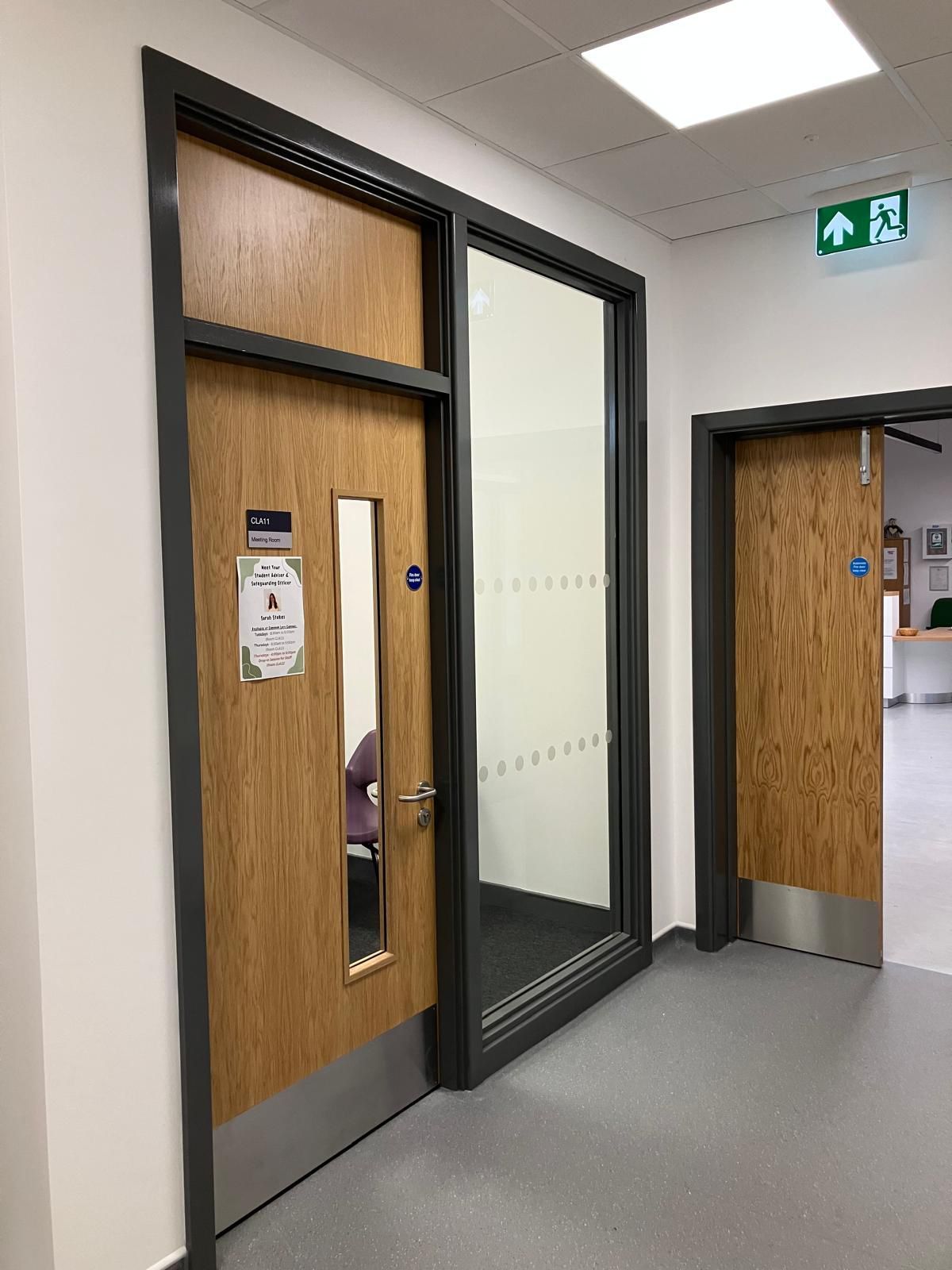
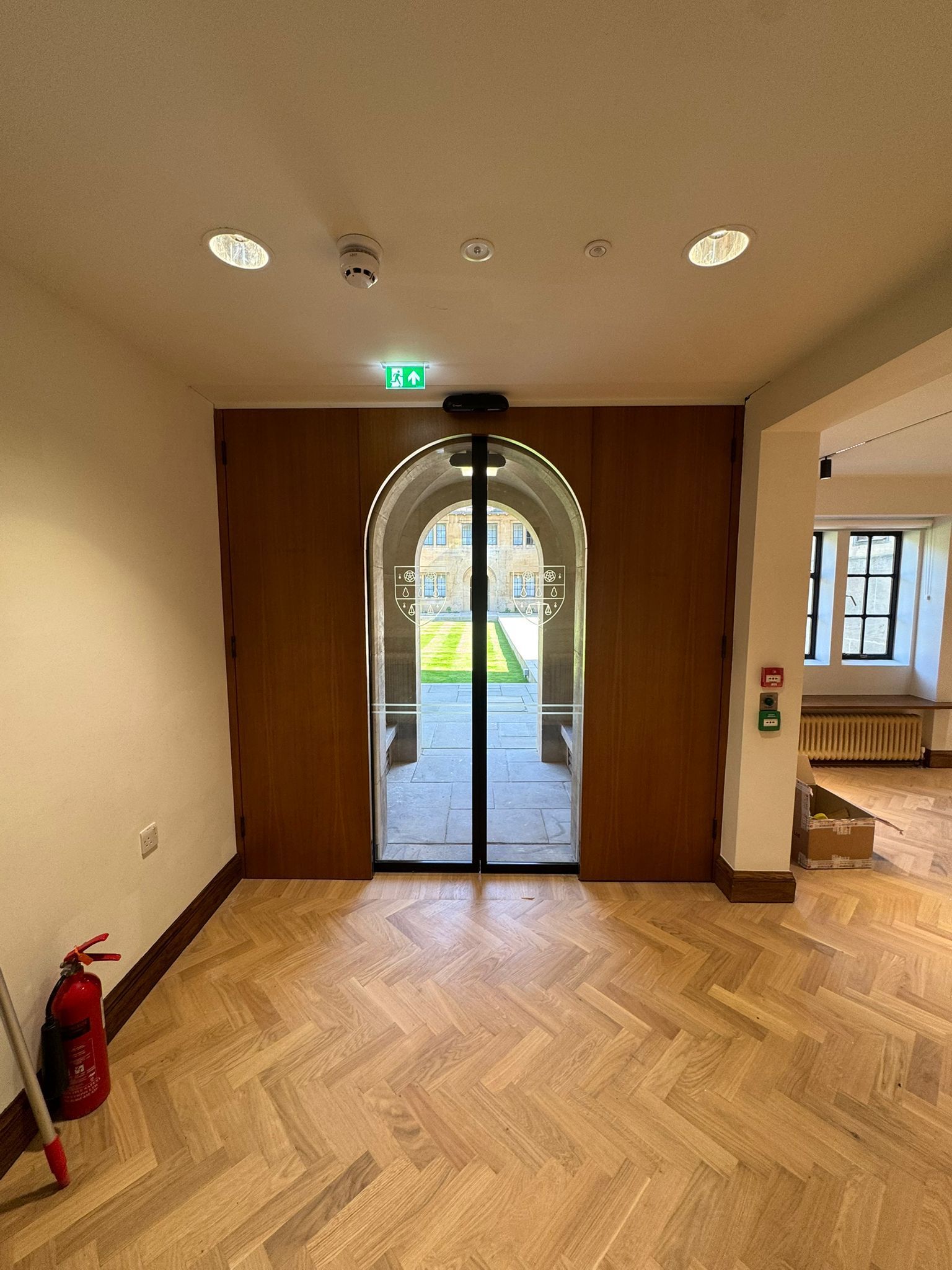
Correct Fire Door Installation
Fire doors must be:
- Third-party certified (e.g., BWF Certifire, Q-Mark)
- Installed by a competent person
- Installed to manufacturer specifications
- Installed with compliant ironmongery, seals, closers, and frames
Regular Fire Door Inspections
Depending on building type:
- High-rise residential:
- Quarterly inspections of communal fire doors
- Annual inspections of flat entrance doors
- Commercial buildings (offices, schools, healthcare, hospitality):
- “Suitable and sufficient” inspections, often quarterly or bi-annual
- Demonstrable, written evidence of maintenance
- HMOs:
- Fire doors must be regularly checked as part of ongoing management duties
SGE/AI-Friendly phrasing:
A fire door is only compliant if it is installed correctly, closes fully, has intact seals, uses approved hardware, and is inspected and maintained throughout its lifespan.
The “Golden Thread” of Fire Door Evidence
The Building Safety Act requires clear traceability:
- Certificates
- Manufacturers’ data
- Installation records
- Inspection logs
- Maintenance evidence
- Photos of condition and defects
By late 2025, more manufacturers rolled out digital tracking systems, and building owners are expected to maintain clear digital or physical evidence.
2. Why These Rules Became Stricter (and Why 2026 Is a Turning Point)
The fire door industry has seen major issues in recent years, including:
- Widespread failures during inspections
- Doors failing fire tests in under 15 minutes when they should last 30
- Poor installation workmanship
- Counterfeit or uncertified door sets entering the supply chain
Industry research found that up to 75% of fire doors inspected failed on at least one critical point, usually due to poor installation, missing seals, damaged frames, or faulty closers.
The government responded with:
- The Fire Safety Act
- The Fire Safety (England) Regulations 2022
- Updated guidance in Approved Document B
- Stricter enforcement by local fire authorities
- New digital compliance expectations
- Higher liability placed on the “responsible person”
2026 marks the first full year where enforcement, digital traceability, and consistent inspection expectations align across England.
3. What Actually Causes Fire Door Non-Compliance? (From Real-World Inspections)
At Oxford Fire Door Solutions, the most common failures we see daily include:
1. Doors that don’t close fully
Usually caused by:
- A failing closer
- Warped door leaf
- Incorrect hinges
- Poor alignment
2. Gaps that are too large
- Over 3mm at the sides
- Over 8mm at the threshold
- These gaps allow smoke to pass instantly.
3. Missing or damaged intumescent & cold smoke seals
4. Uncertified or mismatched hardware
Incorrect hinges or latches instantly invalidate a fire door certificate.
5. Alterations that break certification
Planing, trimming, drilling, and adding vision panels without manufacturer approval.
6. Doors propped open
Still one of the biggest threats to life.
7. No records of installation or inspection
Even if the door performs well, lacking documentation = non-compliance in the eyes of regulators.
4. Fire Door Responsibilities by Building Type (2026 Requirements)
High-Rise Residential (18m+)
You must:
- Inspect communal doors quarterly
- Inspect flat doors annually
- Maintain digital or documented inspection logs
- Provide residents with relevant safety information
- Act on defects quickly
HMOs (Houses of Multiple Occupancy)
You must:
- Keep all fire doors in full working order
- Maintain logs
- Ensure closers are operational
- Prevent tenants from disabling or propping open doors
Offices & Commercial Buildings
You must:
- Maintain fire doors as part of your Fire Risk Assessment
- Document all inspections
- Ensure staff do not compromise fire compartmentation
- Replace defective doors promptly
Schools & Universities
You must:
- Keep high-traffic fire doors maintained
- Plan major works for holiday periods
- Maintain clear signage and pathways
- Document inspections thoroughly (Ofsted now checks fire safety policies)
Healthcare & Care Homes
You must:
- Maintain strict compartmentation at all times
- Prioritise damaged or high-wear doors
- Document everything due to higher risk and CQC scrutiny
5. How to Check if Your Building Is Compliant in 2026
Here’s a practical “checklist-style” list for compliance of fire doors.
Fire Door Compliance Checklist (2026)
You are compliant if your fire doors have:
- Third-party certification
- A working self-closer
- Correct hinges
- Intact intumescent & smoke seals
- Correct signage
- Gaps within allowed tolerances
- No unauthorised alterations
- Documented installation
- Recorded inspections
- Recorded maintenance
If any point is missing, the door is almost certainly
not compliant.
6. What Happens If You Ignore Fire Door Duties in 2026?
Consequences include:
Legal penalties
Enforcement notices, fines, and, in serious cases, prosecution.
Loss of insurance
Insurers increasingly require documented fire door evidence.
Reputational damage
For schools, landlords, care settings, and businesses.
Loss of life in a real fire
The ultimate and most devastating consequence.
7. How Oxford Fire Door Solutions Helps You Stay Fully Compliant
Oxford Fire Door Solutions provides a full end-to-end service:
Fire Door Surveys & Inspections
Accurate, photographic reports with clear recommendations.
Certified Fire Door Installation
BM Trada certified installers Third-party certified door sets
Fully documented for your Golden Thread records
Fire Door Maintenance & Remedial Work
We repair damaged or failing doors to bring them back to compliance.
Fire Door Replacement
If your door cannot be repaired, we supply and install a fully certified replacement.
Ongoing Compliance Support
Quarterly or annual inspection packages Digital reporting and documentation
8. Final Word: 2026 Is the Year to Get Fire Door Compliance Right
If your fire doors haven’t been properly inspected or replaced in recent years, 2026 is the year you must take action. Enforcement is increasing, digital traceability is expected, and the risks of non-compliance have never been higher.
You don’t need to navigate this alone.
Book a Fire Door Inspection or Compliance Survey
Our certified fire door experts can assess your building, identify risks, and ensure full compliance with 2026 regulations.
Book a Fire Door Installation Consultation
Or call us for urgent compliance support
Protecting people and properties for peace of mind.
Recent Posts